
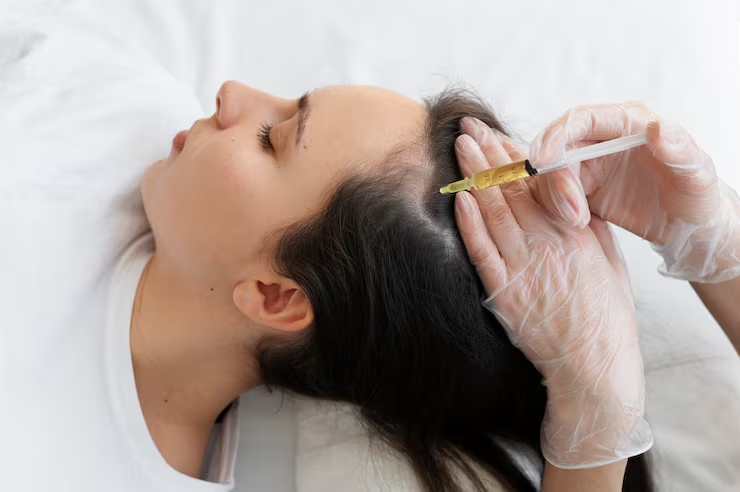
Scalp Treatment in Nagpur
A healthy scalp plays an important role in maintaining healthy-looking hair. If you experience persistent itching, dandruff, excessive oiliness, dryness, redness, flaking, or unusual hair shedding, the problem may start with your scalp. Scalp Treatment in Nagpur can help identify the reason behind these concerns and guide you toward suitable care. Moreover, different scalp conditions can have different causes, so treatment should match your specific symptoms. A dermatologist can examine your scalp, understand your concerns, and recommend an appropriate treatment approach based on your condition.
What Is Scalp Treatment? | Scalp Treatment In Nagpur
Scalp treatment focuses on identifying and managing conditions that affect the scalp and hair roots. These concerns may include dandruff, seborrheic dermatitis, scalp acne, itching, excessive dryness, fungal infections, inflammation, or other scalp problems. However, similar symptoms can sometimes occur with different conditions. Therefore, a proper scalp evaluation can help identify the underlying cause instead of relying only on temporary products. In addition, your dermatologist can recommend suitable medical treatment and scalp-care practices according to your needs.
Scalp Treatment in Nagpur
People searching for Scalp Treatment in Nagpur may experience symptoms such as persistent itching, flakes, redness, scalp irritation, excessive oiliness, or changes in hair density. These symptoms can affect daily comfort and may sometimes occur alongside hair fall. Therefore, identifying the cause remains an important first step. Moreover, a dermatologist can assess your scalp condition, medical history, hair-care routine, and previous treatments before suggesting an appropriate plan.
Common Scalp Problems
The scalp can develop several conditions that require different approaches. Common concerns include:
- Dandruff and excessive flaking
- Seborrheic dermatitis
- Dry or irritated scalp
- Excessively oily scalp
- Scalp acne
- Fungal scalp infections
- Scalp itching and redness
- Folliculitis
- Scalp inflammation
- Scalp-related hair shedding
However, these problems can sometimes share similar symptoms. Therefore, professional evaluation can help distinguish one condition from another.
What Causes Scalp Problems?
Scalp problems can develop because of several factors. Changes in oil production, fungal overgrowth, skin sensitivity, irritation from hair products, stress, environmental conditions, and certain medical conditions can contribute to scalp symptoms. Moreover, frequent use of harsh styling products or excessive heat may irritate an already sensitive scalp. Therefore, identifying possible triggers can help your dermatologist recommend more suitable care.
Dandruff and Scalp Treatment
A Dandruff commonly causes visible flakes and scalp itching. It can become more noticeable when the scalp produces excess oil or when certain microorganisms contribute to scalp irritation. However, severe or persistent flaking may sometimes indicate another scalp condition. Therefore, repeated dandruff should not always be treated with random shampoos. A dermatologist can examine your scalp and recommend appropriate treatment based on the severity and possible cause.
Fungal Scalp Infections
Certain fungal infections can affect the scalp and may cause itching, scaling, inflammation, broken hairs, or patches of hair loss. These infections require proper diagnosis because they may need specific medical treatment. Therefore, avoid using random creams or home remedies when you suspect a scalp infection. A dermatologist can examine your scalp and recommend treatment based on the condition.
Can Scalp Problems Cause Hair Fall?
Some scalp conditions can contribute to temporary or noticeable hair shedding. Inflammation, infection, persistent scratching, or damage around the hair follicles may affect hair growth in certain situations. However, not all hair loss comes from a scalp problem. Genetics, hormonal changes, nutritional deficiencies, stress, illness, and other factors can also contribute. Therefore, persistent hair fall should receive a complete evaluation rather than assuming that the scalp alone causes it.
How Is a Scalp Problem Diagnosed?
A dermatologist usually begins by asking about your symptoms, their duration, hair-care routine, medical history, medications, and previous treatments. The doctor can then examine the scalp for signs of scaling, redness, inflammation, infection, or other changes. Moreover, additional examination or testing may become appropriate in certain cases. Therefore, diagnosis helps your dermatologist choose treatment based on the actual condition rather than treating symptoms blindly.
Scalp Treatment Options
The appropriate treatment depends on the scalp condition, severity, symptoms, and underlying cause. Depending on your diagnosis, treatment may include medicated shampoos, topical medicines, antifungal treatment, anti-inflammatory medicines, or other dermatologist-recommended options.
However, not every scalp condition requires the same treatment. Therefore, avoid using prescription products without professional guidance. In addition, your dermatologist can explain how frequently you should use a recommended product and how long you may need to continue treatment.
FAQ - Skin and Hair Clinic In Nagpur
1. What is scalp treatment?
Scalp treatment involves evaluating and managing conditions that affect the scalp, including dandruff, itching, dryness, infections, inflammation, and other concerns.
2. What causes scalp itching?
Scalp itching can occur because of dandruff, dryness, irritation, allergies, infections, or inflammatory skin conditions. A dermatologist can identify the likely cause.
3. Can dandruff cause hair fall?
Severe scalp irritation or frequent scratching may contribute to hair shedding in some cases. However, hair fall can also have other causes.
4. How can I treat an oily scalp?
Treatment depends on the reason for excessive oil production. A dermatologist can recommend an appropriate cleansing routine and treatment when necessary.
5. Can scalp acne be treated?
Yes. Scalp acne can have several triggers, including oil, sweat, product buildup, and follicle inflammation. A dermatologist can recommend suitable treatment.