
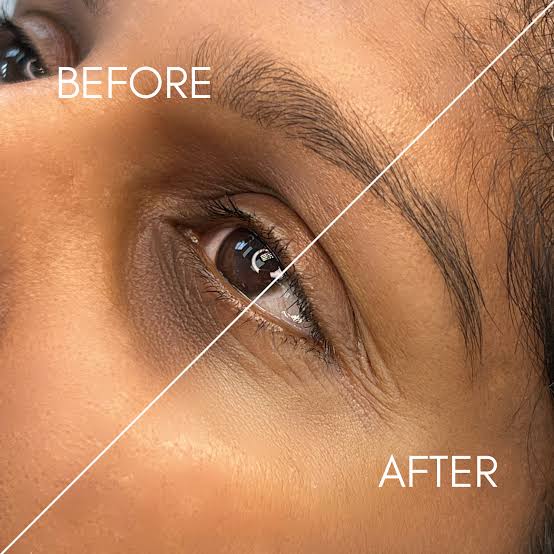
What Is Dark Circle Correction?
Causes and Types of Dark Circles
Dark circles can develop for several reasons, and different causes may require different treatment approaches.
Common causes include:
- Genetics and family history
- Excess pigmentation around the eyes
- Thin under-eye skin and visible blood vessels
- Lack of sleep or irregular sleep patterns
- Age-related skin changes
- Allergies and frequent eye rubbing
- Dehydration
- Sun exposure
- Stress and fatigue
- Under-eye hollowness or tear-trough shadows
Common types include:
- Pigmented dark circles: Caused mainly by increased pigmentation.
- Vascular dark circles: Develop when blood vessels become more visible through thin skin.
- Structural dark circles: Caused by hollowness, shadows, or changes in facial structure.
- Mixed dark circles: A combination of pigmentation, vascular, and structural factors.
Symptoms and Appearance
Dark circles are usually a cosmetic concern rather than a medical condition. Common signs include:
- Brown, black, blue, or purple discoloration under the eyes
- Uneven skin tone around the eye area
- Dull or tired-looking eyes
- Increased visibility of blood vessels
- Under-eye shadows caused by hollowness
- Fine lines or dryness around the eyes
However, the appearance and severity of dark circles can vary depending on your skin type, age, genetics, lifestyle, and underlying cause.
Diagnosis
A proper assessment helps identify the reason behind your dark circles. During a consultation, a dermatologist or aesthetic specialist may examine the color, texture, thickness, and structure of the under-eye skin.
The assessment may consider:
- Skin pigmentation
- Under-eye skin thickness
- Visible blood vessels
- Tear-trough hollowness
- Skin texture and fine lines
- Allergies or irritation
- Lifestyle and sleep habits
- Previous skincare or cosmetic treatments
Therefore, identifying the main cause helps the specialist select an appropriate dark circle correction treatment rather than using the same treatment for every patient.
Treatment for Dark Circles
Treatment depends on the type and cause of the dark circles. A specialist may recommend one treatment or a combination of approaches.
Common treatment options include:
1. Medical Skincare
Specially selected eye creams or skincare products may help improve pigmentation, hydration, and overall skin appearance.
2. Chemical Peels
Certain professionally performed peels may help improve pigmentation and skin texture around the under-eye area when considered suitable.
3. Laser Treatment
Laser-based treatments may help target pigmentation and improve skin quality in selected patients.
4. Microneedling
Microneedling may stimulate collagen production and improve skin texture. The specialist determines whether it is appropriate for the delicate under-eye area.
5. Dermal Fillers
For patients with significant under-eye hollowness, carefully performed dermal filler treatment may reduce shadows and improve the appearance of the tear trough.
6. Combination Treatment
Some patients may benefit from a combination of treatments when pigmentation, skin thinning, and structural changes occur together.
Dark Circle Correction Procedure
The procedure depends on the selected treatment. Before starting, the specialist evaluates your under-eye area and discusses your concerns, skin type, expected results, and treatment plan.
A typical treatment process may include:
- Consultation and skin assessment
- Identification of the underlying cause
- Selection of a suitable treatment
- Cleansing and preparation of the treatment area
- Application or performance of the selected procedure
- Post-treatment skincare and aftercare guidance
- Follow-up assessment when required
The duration, number of sessions, and recovery period can vary depending on the treatment selected and the individual’s skin condition.
Benefits of Dark Circle Correction
Appropriate dark circle treatment may provide several cosmetic benefits, including:
- Reduced appearance of under-eye pigmentation
- More even-looking skin tone
- Improved under-eye skin texture
- Fresher and brighter facial appearance
- Reduction in the appearance of under-eye shadows
- Improved skin hydration and quality
- Better overall appearance of the eye area
Moreover, results vary from person to person because dark circles can have multiple underlying causes.
Recovery and Aftercare
Recovery depends on the type of dark circle correction treatment performed. Some non-invasive treatments may require little or no downtime, while procedures such as peels, lasers, microneedling, or fillers may require specific aftercare.
Your specialist may recommend:
- Avoiding unnecessary rubbing of the eyes
- Using recommended skincare products
- Protecting the skin from sun exposure
- Keeping the under-eye area adequately moisturized
- Avoiding products that cause irritation
- Following all post-treatment instructions
- Attending follow-up appointments when advised
Therefore, following professional aftercare instructions can help support proper healing and treatment results.