
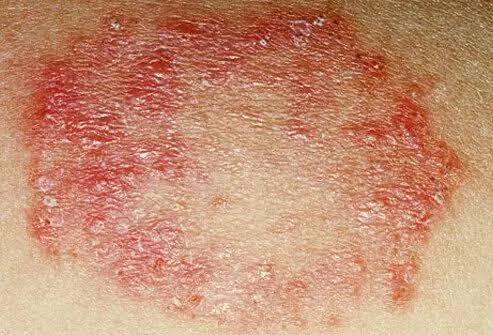
- fungal infection
- 8:41 am
- July 29, 2026
- indianSkin
What Is a Wall Fungal Infection?
Wall fungal infection, commonly known as mold or mildew, develops on damp, humid, and poorly ventilated surfaces. Moreover, fungi thrive where moisture remains for long periods. Therefore, bathrooms, kitchens, basements, and water-damaged walls commonly develop mold growth.
Common causes include:
- Water leakage
- High humidity
- Poor ventilation
- Flood damage
- Condensation
- Damp building materials
As a result, black, green, or white fungal patches appear on walls, ceilings, and wooden surfaces. Furthermore, mold may produce an unpleasant odor and lower indoor air quality.
What Is a Human Fungal Infection?
Is fungal infection on the wall the same as human fungal infection?
Human fungal infections occur when fungi infect the skin, nails, scalp, or other body parts. Moreover, these infections usually develop in warm, moist areas where fungi multiply easily. Therefore, people living in hot and humid climates, such as many parts of India, experience fungal infections more frequently.
Common fungal skin infections include:
- Ringworm (Tinea corporis)
- Athlete’s foot
- Jock itch
- Nail fungal infection
- Scalp fungal infection
- Yeast infections
Consequently, affected individuals may experience itching, redness, scaling, burning, or skin discoloration.
Is Wall Fungus the Same as Human Skin Fungus?
The simple answer is no. However, both belong to the fungal kingdom.
The major difference lies in where they grow and how they affect the body.
| Wall Fungus | Human Fungal Infection |
|---|---|
| Grows on damp walls | Grows on skin, nails, scalp, or body |
| Caused by environmental mold | Caused by dermatophytes, yeast, or other fungi |
| Damages buildings | Affects human health |
| Requires moisture control | Requires medical treatment |
| Removed with cleaning and repairs | Treated with antifungal medications |
Therefore, although both involve fungi, they are not the same disease.
Can Wall Mold Cause Human Fungal Infection?
Wall mold usually does not directly cause common skin fungal infections. However, prolonged exposure to mold may trigger certain health problems, especially in sensitive individuals.
Possible health effects include:
- Allergic reactions
- Sneezing
- Nasal congestion
- Coughing
- Eye irritation
- Skin irritation
- Asthma flare-ups
Moreover, people with weakened immune systems may have a higher risk of developing mold-related illnesses. Therefore, removing indoor mold remains important for maintaining a healthy living environment.
How Do Human Fungal Infections Spread?
Is fungal infection on the wall the same as human fungal infection?
Human fungal infections spread through direct and indirect contact. Furthermore, fungi survive well in warm, moist environments.
Common transmission routes include:
- Skin-to-skin contact
- Sharing towels
- Shared clothing
- Public swimming pools
- Gym equipment
- Locker rooms
- Shared footwear
- Contaminated bedding
- Pets carrying fungal infections
As a result, maintaining good personal hygiene significantly reduces the risk of infection.
Common Symptoms of Human Fungal Infection
Is fungal infection on the wall the same as human fungal infection?4
Symptoms vary depending on the affected body part. However, most skin fungal infections share several common signs.
Symptoms include:
- Persistent itching
- Circular red rash
- Dry or flaky skin
- Peeling skin
- Burning sensation
- Skin discoloration
- Cracked skin
- Blisters
- Thickened nails
- Hair loss in scalp infections
Consequently, early treatment prevents the infection from spreading to other body areas.
Who Is More Likely to Develop Fungal Skin Infections?
Anyone can develop a fungal infection. However, certain factors increase the risk considerably.
Risk factors include:
- Excessive sweating
- Hot and humid weather
- Diabetes
- Obesity
- Weak immunity
- Tight clothing
- Poor hygiene
- Sharing personal items
- Frequent swimming
- Long-term antibiotic use
Therefore, recognizing these risk factors helps prevent recurrent infections.
How Dermatologists Diagnose Fungal Infections
Accurate diagnosis ensures effective treatment. Moreover, dermatologists evaluate the appearance of the skin and may recommend additional tests.
Diagnosis may include:
- Clinical skin examination
- Skin scraping
- KOH microscopy
- Fungal culture
- Nail examination
- Wood’s lamp examination (when appropriate)
As a result, doctors identify the exact fungal organism before recommending treatment.
Treatment for Human Fungal Infection
Is fungal infection on the wall the same as human fungal infection?4
Treatment depends on the severity and location of the infection. Furthermore, following the complete treatment course prevents recurrence.
Treatment options include:
- Antifungal creams
- Antifungal powders
- Oral antifungal medicines
- Medicated shampoos
- Nail treatments
- Hygiene counseling
- Lifestyle modifications
Moreover, dermatologists also identify underlying causes that contribute to repeated infections. Consequently, comprehensive treatment improves long-term results.
Tips to Prevent Fungal Skin Infection
Is fungal infection on the wall the same as human fungal infection?4
Prevention remains the best strategy. Therefore, adopting healthy daily habits reduces the risk of fungal infections.
Helpful prevention tips:
- Keep skin clean and dry
- Bathe after excessive sweating
- Wear loose cotton clothing
- Change socks daily
- Avoid sharing towels
- Wear slippers in public showers
- Keep nails trimmed
- Wash clothes regularly
- Dry feet thoroughly
- Maintain good blood sugar control if diabetic
Additionally, improving personal hygiene helps prevent future fungal infections.
For Indian skin, Is fungal infection on the wall the same as human fungal infection? natural-looking enhancement while respecting unique skin characteristics and facial features. Therefore, consulting an experienced aesthetic doctor remains the best way to determine .
Why Choose Indian Skin Clinic?
Is fungal infection on the wall the same as human fungal infection?4
At Indian Skin Clinic, we provide expert diagnosis and advanced treatment for all types of fungal skin infections. Moreover, our experienced dermatologists create personalized treatment plans based on your skin type, medical history, and the severity of the infection. In addition, we use evidence-based therapies and modern diagnostic techniques to ensure accurate results. Furthermore, we educate every patient about proper skin care and preventive measures to reduce the risk of recurrence. Consequently, our patients achieve healthier skin and long-lasting relief.
Why Patients Trust Us
- Experienced dermatologists
- Accurate diagnosis
- Personalized treatment plans
- Advanced skin care technology
- Evidence-based treatments
- Comprehensive fungal infection management
- Patient-focused care
- Modern dermatology clinic
- Affordable treatment options
- Long-term skin health support