
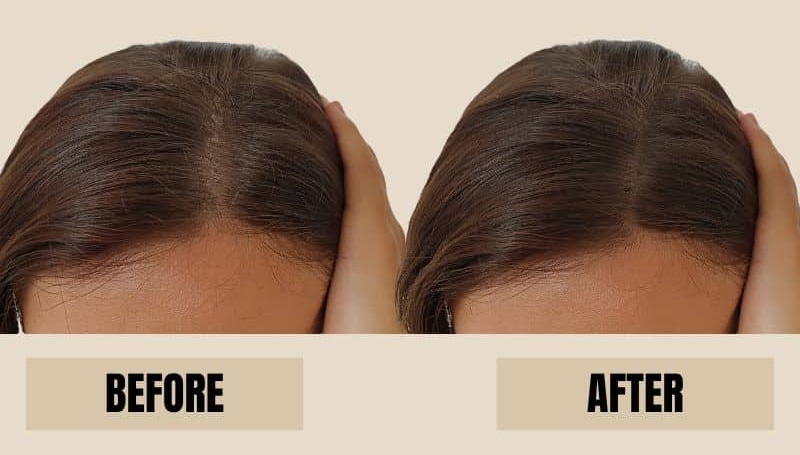
Hair Transplant In Raipur
Hair Transplant In Raipur Hair thinning and baldness can change the way you feel about your appearance. A receding hairline, reduced hair density, or visible bald patches may affect your confidence over time. However, modern hair restoration options can help suitable individuals improve their hair coverage. If you are looking for , start with a consultation to understand the available procedures and expected results.
Hair transplant surgery helps restore hair in areas affected by permanent hair loss. During the procedure, a surgeon collects healthy hair follicles from a donor region and transfers them to areas that need additional coverage. Moreover, careful graft placement can create a natural-looking hairline. Your final results depend on donor hair quality, the extent of hair loss, and the surgeon’s treatment plan.
Understanding Hair Transplant Surgery
Who Is a Suitable Candidate for Hair Transplant?
A hair transplant may help people who experience permanent hair loss and have enough healthy donor follicles. However, the surgeon must examine your scalp and identify the reason behind your hair loss before recommending surgery.
You may qualify for hair restoration if you have:
Male pattern baldness or female pattern hair loss.
A receding forehead hairline.
Reduced hair density around the crown.
Permanent hair loss after an injury or surgery.
Stable bald areas that need additional coverage.
Sufficient healthy follicles in the donor region.
A naturally high hairline that you want to reshape.
However, active scalp infections, certain medical conditions, and limited donor hair may affect your eligibility. Therefore, a detailed assessment helps the surgeon select an appropriate treatment approach.
What Causes Hair Loss?
Hair loss can develop because of genetic, hormonal, nutritional, and medical factors. Therefore, identifying the underlying reason helps doctors decide whether you need medication, scalp treatment, or surgical restoration.
Common causes include:- Hereditary Hair Loss: Genetic factors can cause gradual thinning and pattern baldness.
- Hormonal Imbalances: Changes in hormone levels may affect normal hair growth.
- Nutritional Problems: Iron deficiency and inadequate nutrition can contribute to excessive shedding.
- Thyroid Conditions: Thyroid disorders may disturb the normal hair growth cycle.
- Physical or Emotional Stress: Stress can trigger temporary hair shedding in some individuals.
- Scalp Infections: Certain fungal infections and inflammatory conditions can affect scalp health.
- Medication Side Effects: Some prescribed medicines may contribute to hair loss.
Recovery After Hair Transplant Surgery
Advantages of Hair Transplant Treatment
Hair transplantation can improve hair coverage in people with suitable donor follicles and permanent hair loss. However, every patient should understand that results vary according to individual conditions.
Some potential advantages include:
Natural Hair Growth: Transplanted follicles can produce hair that grows naturally.
Long-Term Coverage: Healthy transplanted follicles may provide lasting improvement.
Hairline Improvement: Proper graft placement can create a balanced hairline.
Increased Hair Density: Surgery can add coverage to selected thinning areas.
Individual Treatment Planning: Surgeons can customise graft placement according to your needs.
Appearance and Confidence: Improved hair coverage may help you feel more comfortable with your appearance.
Hair Transplant Cost In Raipur
The price of hair transplant surgery in Raipur depends on the treatment requirements of each patient. Therefore, the surgeon should examine your scalp, donor hair, and affected areas before calculating the total expense.
The following factors can influence the cost:- Required Grafts: A larger treatment area may need more hair grafts.
- Surgical Method: FUE and FUT may involve different procedure costs.
- Extent of Baldness: Advanced hair loss may require a more detailed treatment plan.
- Surgeon’s Qualifications: The surgeon’s training and experience may influence professional fees.
- Clinic Infrastructure: Equipment, hygiene standards, and medical facilities can affect the overall charges.
- Post-Surgery Support: Medicines, follow-up consultations, and aftercare may add to the expense.
Book Your Hair Transplant Consultation
Choosing the right hair restoration approach starts with understanding your hair loss and treatment requirements. If you are exploring consult a qualified specialist who can assess your scalp and explain suitable surgical options.
During your appointment, discuss the donor area, expected graft count, FUE or FUT techniques, treatment expenses, possible risks, and recovery timeline. Moreover, an individual treatment plan helps you understand realistic outcomes before making a decision.
Book your consultation today to explore suitable hair restoration options and take an informed step towards improving your hair coverage.
FAQs
1. Does a hair transplant provide permanent results?
Transplanted follicles can produce long-lasting hair growth. However, your untreated natural hair may continue to thin over time.
2. How many grafts are necessary for a hair transplant?
The number depends on your baldness pattern, donor hair density, and desired coverage. A surgeon can estimate the graft requirement after examining your scalp.
3. Should I choose FUE or FUT?
Both techniques offer different benefits and limitations. Your surgeon can suggest the suitable method after checking your donor area and treatment goals.
4. Will I feel pain during the procedure?
The surgeon generally uses local anaesthesia to minimise discomfort. You may notice some tenderness or mild discomfort during recovery.
5. How much time does hair transplant surgery require?
The procedure can take several hours. The exact duration depends on the graft count and surgical technique.
6. When can I expect new hair growth?
New hair usually starts growing after a few months. However, the overall appearance may take 9 to 12 months or longer to develop.
📞 Call Now | 🌐 Indian Skin Clinic Contact Now | 💬 Book Your Appointment Online