
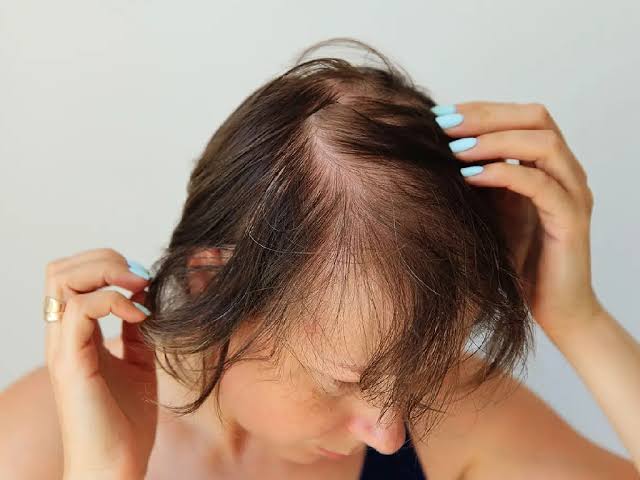
Hair Loss Doctor Near Me in Nagpur
Why Consult a Hair Loss Doctor in Nagpur?
Hair fall does not always indicate permanent hair loss. However, continuous shedding, visible scalp areas, or gradual hair thinning may require professional attention. Moreover, early signs can help you recognise potential hair problems before they progress.
A qualified dermatologist carefully examines your hair and scalp to understand the possible causes. In addition, the doctor may review your medical history, lifestyle, and nutritional habits. Therefore, an early consultation can help identify conditions that may respond better to timely treatment.
You should consider visiting a hair loss specialist if you experience:
Excessive hair fall while combing or washing.
Gradual thinning around the crown or hairline.
Receding hairline or widening hair parting.
Small bald patches on your scalp.
Itching, dandruff, redness, or scalp irritation.
Weak, brittle, or thinning hair.
Sudden or unexplained hair shedding.
Furthermore, persistent hair fall may indicate an underlying health or scalp concern. As a result, ignoring these symptoms may delay proper diagnosis. Therefore, if you notice these changes or your hair loss continues to worsen, consult a dermatologist for a detailed hair and scalp assessment.
Common Causes of Hair Loss
Understanding the cause of hair loss helps a dermatologist recommend an appropriate treatment plan. Moreover, different people experience hair loss for different reasons.
1. Genetic Hair Loss
Genetic hair loss, also known as androgenetic alopecia, can affect both men and women. It often causes gradual hair thinning, a receding hairline, or reduced hair density.
2. Hormonal Changes
Hormonal fluctuations can affect the hair growth cycle. Conditions such as thyroid disorders and hormonal imbalances may contribute to increased hair shedding.
3. Nutritional Deficiencies
Low iron, inadequate protein intake, and certain vitamin deficiencies can affect healthy hair growth. Therefore, a dermatologist may recommend blood tests when symptoms suggest a nutritional concern.
4. Stress and Lifestyle Factors
Physical or emotional stress, poor sleep, restrictive diets, and sudden weight changes can contribute to excessive hair shedding.
Hair Loss Treatments Available in Nagpur
The right treatment depends on your hair loss pattern, scalp condition, medical history, and diagnosis. Therefore, a dermatologist may recommend one or more treatment options.
1. Medical Hair Loss Treatment
Doctors may recommend suitable topical or oral medications depending on the type of hair loss. For example, minoxidil may help certain patients with pattern hair loss. However, you should use prescription medicines only under medical guidance.
2. PRP Hair Treatment
Platelet-Rich Plasma (PRP) therapy uses a concentrated portion of your own blood to support hair restoration treatment. The doctor collects a blood sample, processes it to concentrate platelets, and injects the prepared plasma into selected scalp areas.
Moreover, dermatologists may consider PRP for certain types of hair thinning. Results vary depending on the underlying condition and individual response.
3. GFC Hair Treatment
Growth Factor Concentrate (GFC) therapy uses concentrated growth factors prepared from your own blood. Some dermatology clinics offer this procedure for people experiencing hair thinning.
However, treatment suitability and expected results depend on your hair condition. Discuss the available evidence, limitations, and costs with your dermatologist before starting treatment.
4. Treatment for Alopecia Areata
Alopecia areata is an autoimmune condition that causes round or irregular bald patches. Depending on the severity, a dermatologist may recommend corticosteroid treatment or other appropriate medical therapies.
5. Scalp Treatment
Scalp conditions such as dandruff, inflammation, and fungal infections can affect hair health. Therefore, treating the underlying scalp problem plays an important role in managing related hair concerns.
Signs You Should Not Ignore
Hair loss can progress gradually or appear suddenly. Therefore, paying attention to early changes can help you seek appropriate medical advice.
Watch for these warning signs:
Noticeable hair thinning over several weeks or months.
Sudden hair shedding after illness or physical stress.
Bald patches on the scalp or beard.
Hair loss accompanied by scalp pain or itching.
Changes in hair texture and density.
Persistent dandruff with scalp inflammation.
Moreover, sudden or patchy hair loss deserves prompt evaluation because certain scalp and autoimmune conditions require specific treatment.
What to Expect During a Hair Loss Consultation?
A professional consultation helps you understand your hair concerns and available treatment options. Moreover, your dermatologist may follow these steps:
1. Understanding Your Hair Concerns
The doctor discusses your hair fall pattern, family history, lifestyle, diet, stress levels, and medical history.
2. Hair and Scalp Examination
The dermatologist examines your scalp, hair density, and hair follicles. In addition, the doctor may use trichoscopy to examine the scalp and hair more closely.
3. Identifying the Underlying Cause
Depending on your symptoms, the doctor may recommend blood tests to check iron levels, thyroid function, or nutritional deficiencies.
4. Personalised Treatment Planning
After reviewing the findings, the dermatologist recommends suitable medications, scalp treatments, or hair restoration procedures.
5. Follow-Up and Progress Monitoring
Regular follow-up appointments help your doctor monitor changes in hair density and treatment response. Therefore, you can discuss adjustments whenever necessary.
Tips to Maintain Healthy Hair
Professional treatment plays an important role in managing hair loss. However, healthy daily habits can also support overall hair and scalp health.
Eat a balanced diet: Include protein-rich foods, vegetables, fruits, nuts, and seeds.
Maintain scalp hygiene: Wash your hair according to your scalp type and needs.
Manage stress: Try meditation, yoga, walking, or other relaxing activities.
Avoid excessive heat: Limit frequent blow-drying, straightening, and harsh chemical treatments.
Follow a healthy sleep routine: Maintain consistent sleeping habits.
Avoid self-medication: Do not start hair growth medicines or supplements without medical advice.
Moreover, avoid relying on homemade remedies or expensive hair products without understanding the actual cause of your hair loss.
Why Choose a Qualified Hair Specialist in Nagpur?
Choosing the right doctor matters when you experience persistent hair fall or thinning. Therefore, take time to evaluate your options before selecting a hair loss doctor near you. Moreover, the right specialist can help identify the underlying cause and recommend suitable treatment options.
Before booking a consultation, consider these important factors:
Check qualifications and experience: First, review the doctor’s dermatology qualifications, professional experience, and expertise in treating hair and scalp conditions.
Understand the diagnosis: Moreover, choose a specialist who carefully examines your scalp and identifies the possible causes of hair loss.
Discuss treatment options: In addition, ask about the benefits, risks, limitations, and possible side effects of recommended treatments.
Know the treatment costs: Furthermore, understand the expected treatment duration, session requirements, and overall costs before starting.
Ask about follow-ups: Also, check whether the clinic offers regular consultations to monitor your hair growth and treatment progress.
Understand realistic results: Most importantly, choose a clinic that explains expected outcomes honestly without making unrealistic promises.
Finally, a personalised treatment approach can help address your individual hair concerns. As a result, you can make informed decisions and take better care of your hair and scalp health.