
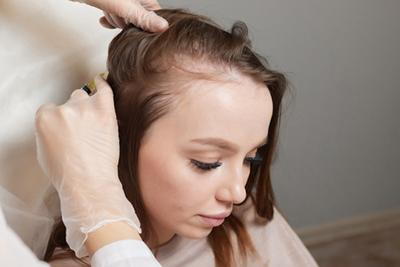
Hair Loss Doctor In Raipur – Expert Hair Fall Diagnosis & Treatment
Why Consult A Hair Loss Doctor In Raipur?
Hair fall does not always indicate a serious medical condition. However, continuous shedding, noticeable thinning, or sudden hair loss may require professional attention. Therefore, a hair specialist evaluates your symptoms and identifies possible causes before suggesting treatment.
Moreover, professional hair loss care focuses on improving scalp health and managing factors that affect hair growth. A specialist may recommend medical treatment, nutritional guidance, scalp care, or advanced hair restoration options according to your condition. Consult a hair loss specialist if you experience:- Excessive daily hair shedding.
- Gradual thinning around the crown or forehead.
- Receding hairline.
- Sudden hair loss or bald patches.
- Weak, brittle, and damaged hair.
- Persistent dandruff or scalp itching.
- Hair thinning after illness or stress.
- Reduced hair density.
- Repeated scalp infections.
Advanced Hair Loss Treatment In Raipur
Medical Treatment For Hair Loss
Medical treatment helps manage different types of hair loss without requiring surgery. Doctors may recommend medications according to the diagnosis, hair loss pattern, and medical history. For example, minoxidil can help some people with pattern hair loss, while finasteride may suit selected men after medical evaluation.
Moreover, these medications work differently and require consistent use. A doctor explains the correct dosage, application method, treatment duration, and possible side effects. However, patients should not start or stop prescription medicines without professional guidance. Medical treatment may help with:- Male and female pattern hair loss.
- Gradual hair thinning.
- Reduced hair density.
- Certain types of ongoing hair shedding.
- Early stages of genetic hair loss.
PRP Hair Treatment In Raipur
- A minimally invasive treatment approach.
- No surgical hair follicle transfer.
- Use of the patient’s own blood components.
- Possible improvement in hair density.
- Shorter recovery time compared with surgical procedures.
Hair Transplant Treatment
Treatment For Female Hair Loss
Female hair loss can develop because of hormonal changes, genetics, nutritional deficiencies, thyroid disorders, stress, and certain medical conditions. Women may notice a wider hair parting, reduced hair volume, or thinning across the scalp.
However, female hair loss does not always follow the same pattern as male baldness. Therefore, a specialist examines the scalp, reviews medical history, and recommends relevant investigations to identify the cause. Treatment options may include:- Topical minoxidil for suitable types of hair loss.
- Treatment for thyroid or hormonal disorders.
- Correction of diagnosed nutritional deficiencies.
- Management of scalp inflammation and infections.
- Selected hair restoration procedures.
Treatment For Sudden Hair Fall
Book Your Consultation With A Hair Loss Doctor In Raipur
Persistent hair fall requires proper attention, accurate diagnosis, and a suitable treatment plan. Therefore, do not rely on random hair products or home remedies without understanding the underlying cause.
If you are experiencing excessive hair shedding, thinning, or bald patches, consult a qualified hair specialist in Raipur. Moreover, professional guidance can help you understand your condition and explore appropriate medical or hair restoration options.
Schedule your consultation today and take the first step towards healthier hair and better scalp care.
FAQs
1. When Should I Consult A Hair Loss Doctor?
Consult a specialist if you experience excessive shedding, visible thinning, bald patches, or sudden hair loss.
2. What Causes Excessive Hair Fall?
Common causes include genetics, hormonal changes, stress, nutritional deficiencies, medications, and scalp conditions.
3. Can Hair Loss Be Treated Without Surgery?
Yes. Depending on the cause, doctors may recommend medications, nutritional correction, and suitable scalp treatments.
4. Does PRP Treatment Help With Hair Growth?
PRP may improve hair density in some patients. However, results vary according to the type and severity of hair loss.
5. Can Nutritional Deficiencies Cause Hair Loss?
Yes. Iron, protein, and certain vitamin deficiencies can contribute to excessive hair shedding.
6. Is Hair Transplant A Permanent Solution?
Transplanted follicles can provide long-lasting growth. However, existing non-transplanted hair may continue to thin over time.
📞 Call Now | 🌐 Indian Skin Clinic Contact Now | 💬 Book Your Appointment Online