- Hair growth with Mesotherapy
- 5:38 am
- September 16, 2026
- indianSkin
What Is Hair Growth with Mesotherapy?
What Causes Hair Loss and Hair Thinning?
Hair growth with Mesotherapy
Hair loss can develop because of several factors. Common causes include:
- Genetic or hereditary hair loss
- Hormonal changes
- Nutritional deficiencies
- Stress and poor sleep
- Thyroid-related conditions
- Scalp conditions
- Certain medications
- Rapid weight loss
- Post-pregnancy hormonal changes
- Poor hair and scalp care
- Age-related changes
Therefore, identifying the possible cause of hair loss is important before starting any hair growth treatment.
Who Can Consider Hair Mesotherapy?
Hair mesotherapy may be considered for people experiencing:
- Mild to moderate hair thinning
- Reduced hair density
- Early-stage hair loss
- Weak or fragile hair
- Poor scalp condition
- Hair shedding associated with certain nutritional or lifestyle factors
However, not every type of hair loss responds to mesotherapy. A proper scalp and hair assessment can help determine whether the treatment is suitable.
How Does Hair Growth Mesotherapy Work?
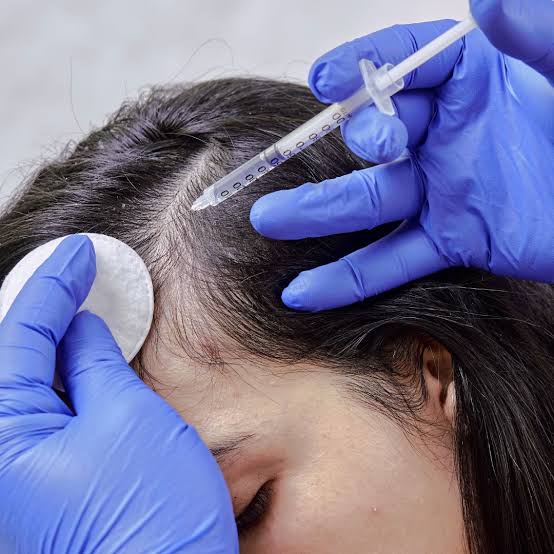
During mesotherapy, very fine needles are used to introduce the selected treatment solution into the scalp. The solution is delivered close to the hair follicles.
The treatment is designed to provide targeted ingredients to the scalp and may support the overall scalp environment. Moreover, the treatment can be combined with other hair loss management approaches when recommended by a qualified professional.
Hair Growth with Mesotherapy Procedure
Hair growth with Mesotherapy
The hair mesotherapy procedure generally involves the following steps:
1. Scalp Assessment
The practitioner examines the scalp, hair density, hair loss pattern, and overall hair condition. Your medical and hair-loss history may also be reviewed.
2. Treatment Planning
Based on the assessment, a suitable treatment plan is prepared. The ingredients used may vary according to individual requirements.
3. Scalp Preparation
The scalp is cleaned and prepared before treatment. A topical numbing solution may be used when required to improve comfort.
4. Mesotherapy Injections
The selected solution is injected into the scalp using multiple small injections. The injections are generally placed in areas affected by hair thinning.
5. Post-Treatment Care
After the procedure, you receive instructions regarding scalp care, washing, exercise, hair products, and other activities.
Benefits of Hair Growth with Mesotherapy
Hair growth with Mesotherapy
Hair mesotherapy may provide several potential benefits when appropriately recommended:
- Supports the scalp and hair follicles
- May help improve the appearance of thinning hair
- Delivers selected ingredients directly into the scalp
- Minimally invasive treatment
- Requires relatively little downtime
- Can be customized according to individual needs
- May be combined with other hair restoration treatments
However, results are not guaranteed, and the outcome depends on the underlying cause of hair loss, treatment plan, and individual response.
Is Hair Mesotherapy Effective for Hair Growth?
The effectiveness of hair growth with mesotherapy can vary depending on the cause and severity of hair loss. Some people may notice improvements in hair quality, thickness, or shedding, while others may require additional treatments.
Mesotherapy should not be considered a guaranteed cure for every type of hair loss. A professional evaluation can help identify the underlying problem and determine whether mesotherapy is appropriate.
How Many Mesotherapy Sessions Are Required?
The number of sessions depends on the individual’s hair condition, treatment goals, and response to therapy. A practitioner may recommend multiple sessions followed by maintenance treatments.
The treatment schedule should be customized rather than following the same number of sessions for everyone.
When Can You See Results After Hair Mesotherapy?
Hair growth with Mesotherapy
Hair growth takes time because hair follicles follow natural growth cycles. Therefore, visible improvement may require several weeks or months.
Some individuals may first notice reduced hair shedding or improved hair texture before seeing changes in hair density. Consistent follow-up and proper scalp care can support the overall treatment plan.
Recovery After Hair Mesotherapy
Hair growth with Mesotherapy
Hair mesotherapy usually involves minimal downtime. Some people may experience temporary redness, mild swelling, sensitivity, or small injection marks on the scalp.
Your practitioner may recommend avoiding strenuous exercise, excessive sweating, swimming, or certain hair products for a short period after treatment. Follow the specific aftercare instructions provided for your scalp.
Hair Mesotherapy Aftercare Tips
Hair growth with Mesotherapy
For better post-treatment scalp care:
- Keep the scalp clean as advised.
- Avoid scratching or rubbing the treated area.
- Use hair products recommended by your practitioner.
- Avoid excessive heat exposure immediately after treatment.
- Follow the recommended hair-care routine.
- Maintain a balanced diet with adequate nutrients.
- Attend follow-up appointments as advised.
Are There Any Side Effects of Hair Mesotherapy?
Hair growth with Mesotherapy
Hair mesotherapy is minimally invasive, but temporary side effects can occur. These may include:
- Mild redness
- Scalp tenderness
- Small swelling
- Itching
- Minor bruising
- Temporary discomfort
The risk of complications can depend on the ingredients used, injection technique, and individual health factors. Therefore, treatment should be performed by a qualified and experienced professional.