
Fungal Infection Doctor In Nagpur
What Is a Fungal Infection? | Fungal Infection Doctor In Nagpur
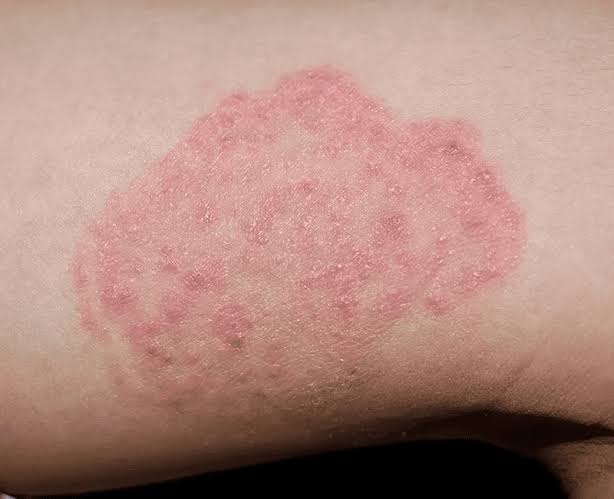
A fungal infection develops when certain fungi grow excessively on the skin, scalp, nails, or other susceptible areas. Moreover, fungi can grow more easily in warm, moist environments. Therefore, sweaty skin folds, feet, groin areas, and other areas that retain moisture may become more susceptible.
However, itching or redness does not automatically indicate a fungal infection. Eczema, dermatitis, psoriasis, allergies, and other skin problems can produce similar symptoms. Therefore, proper assessment can help distinguish a fungal infection from other conditions.
Common Fungal Infections
Different fungal organisms can affect different parts of the body. Moreover, each infection can produce different symptoms and require a different treatment approach.
Common examples include:
- Ringworm
- Athlete’s foot
- Jock itch
- Tinea versicolor
- Candidal skin infections
- Scalp fungal infections
- Fungal nail infections
Therefore, identifying the affected area and understanding the symptoms can help a dermatologist determine the next step.
Symptoms of Fungal Infection
Fungal infection symptoms depend on the affected area and type of infection. Moreover, symptoms can gradually become more noticeable when the condition continues.
Common signs may include:
- Persistent itching
- Redness
- Scaling
- Peeling
- Burning
- Cracked skin
- Circular patches
- Skin discolouration
- Moist or irritated skin
- Nail thickening
- Nail discolouration
- Scalp scaling
- Localised hair loss
Therefore, persistent or recurring symptoms deserve professional evaluation rather than repeated self-treatment.
What Causes Fungal Infections?
Several factors can increase exposure to fungal infections. Moreover, warm and moist environments can create conditions that support fungal growth.
Possible contributing factors include:
- Excessive sweating
- Humid weather
- Tight clothing
- Damp skin
- Prolonged use of wet clothing
- Shared towels
- Shared footwear
- Contact with infected skin
- Walking barefoot in communal areas
- Certain environmental exposures
However, the presence of these factors does not automatically mean that a person has a fungal infection. Therefore, a dermatologist should confirm the likely cause.
Fungal Infection and Nagpur Weather
Hot and humid periods can increase sweating and moisture on the skin. Moreover, people who spend long periods in closed footwear or tight clothing may experience increased moisture around susceptible areas.
Therefore, keep sweaty areas clean and dry and change damp clothing when possible. However, weather represents only one possible contributing factor and does not explain every fungal infection.
How Does a Dermatologist Diagnose a Fungal Infection?
A dermatologist generally begins with your medical history and a physical examination. Moreover, the doctor may examine the colour, border, scaling, texture, and location of the affected skin.
When necessary, the dermatologist may recommend additional testing, such as examination of a skin sample or other laboratory evaluation. Therefore, testing can provide additional information when the clinical appearance does not clearly identify the condition.
Fungal Infection Treatment In Nagpur
Fungal infection treatment in Nagpur depends on the type, location, extent, and severity of the infection. Moreover, your dermatologist may recommend topical treatment for some superficial infections or oral treatment when appropriate.
Treatment may involve:
- Topical antifungal medicines
- Oral antifungal medicines when appropriate
- Hygiene and moisture-control measures
- Treatment of contributing factors
- Follow-up assessment
- Additional testing when required
Therefore, follow your dermatologist’s instructions and avoid changing prescribed treatment without professional advice.
Fungal Infection Prevention
Simple daily habits can help reduce some risk factors. Moreover, controlling moisture and avoiding unnecessary sharing of personal items can support healthier skin.
You can:
- Keep sweaty skin dry.
- Change damp clothes promptly.
- Change socks regularly.
- Allow footwear to dry.
- Avoid sharing towels.
- Keep personal items separate.
- Wear suitable footwear in communal areas.
- Maintain regular hygiene.
- Avoid prolonged contact with damp clothing.
Therefore, combine these habits with appropriate medical care when symptoms develop.
When Should You See a Fungal Infection Doctor?
Consider consulting a Fungal Infection Doctor In Nagpur when:
- Itching persists.
- A rash continues to spread.
- Scaling keeps returning.
- The skin develops cracks.
- Nail changes appear.
- Scalp symptoms accompany hair loss.
- Previous treatment did not help.
- Symptoms repeatedly return.
- The condition affects your daily activities.
Moreover, professional assessment can help you understand the likely cause and choose an appropriate treatment approach.