
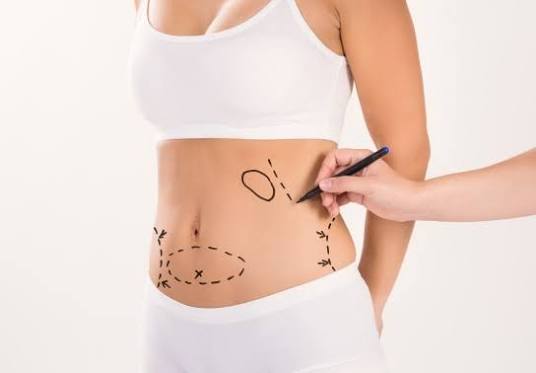
Inch Loss Treatment In Nagpur
What Is Inch Loss Treatment? | Inch Loss Treatment in Nagpur
Inch loss treatment refers to procedures or structured approaches designed to reduce the appearance or volume of localized fat in selected body areas. Moreover, these treatments generally focus on body contouring rather than achieving overall weight loss. The exact approach depends on the technology or treatment plan used by the clinic.
Some non-surgical body-contouring technologies may use controlled cooling, radiofrequency, ultrasound, or other energy-based methods. In addition, treatment selection depends on the target area, amount of localized fat, skin laxity, and individual suitability. Therefore, an assessment should come before choosing a specific inch-loss procedure.
Inch Loss Treatment In Nagpur for Body Contouring
Body contouring focuses on improving the shape and proportion of selected areas rather than simply reducing body weight. Moreover, some people maintain a relatively stable weight while noticing stubborn areas that respond slowly to diet and exercise.
Inch Loss Treatment In Nagpur may help address suitable localized areas when a professional considers the treatment appropriate. In addition, the expected outcome depends on the treatment method, individual body composition, lifestyle, and response. Therefore, realistic expectations remain important before starting any body-contouring procedure.
Which Body Areas Can Inch Loss Treatment Target?
Localized fat can develop in several areas of the body. However, not every treatment works equally well on every body area, so professional evaluation remains important.
Depending on the procedure, treatment may target areas such as:
- Abdomen
- Waist
- Flanks
- Thighs
- Hips
- Arms
- Back
- Other suitable localized areas
Moreover, the amount of fat, skin elasticity, and body shape can influence treatment selection. Therefore, your provider should examine the target area before recommending a particular procedure.
Inch Loss Treatment for Belly Fat
Abdominal fat can remain noticeable even when a person follows a consistent fitness routine. Moreover, genetics, age, hormonal changes, diet, activity level, and overall body composition can influence abdominal fat distribution.
Certain body-contouring procedures may target localized abdominal fat in suitable individuals. In addition, these treatments generally focus on contouring rather than treating obesity or replacing regular physical activity. Therefore, discuss your abdominal concerns with a qualified professional before choosing an inch-loss treatment.
Inch Loss Treatment for Waist and Love Handles
Fat around the waist and flanks can affect overall body proportions. Moreover, these areas may respond differently to diet and exercise depending on individual fat distribution and genetics.
A suitable body-contouring procedure may help improve the appearance of localized fat around the waist. In addition, treatment planning should consider the thickness of the fat layer, skin elasticity, and desired contour. Therefore, professional assessment can help determine whether treatment can realistically address your concern.
Is Inch Loss Treatment the Same as Weight Loss?
Inch loss and weight loss describe different goals. Moreover, weight loss generally refers to reducing overall body weight, while inch loss treatment often focuses on localized body contouring.
A person can sometimes experience changes in body measurements without a major change on the weighing scale. In addition, body composition, muscle mass, hydration, and fat distribution can affect measurements. Therefore, do not judge a body-contouring procedure only by changes in body weight.
How Does Inch Loss Treatment Work?
The mechanism depends on the specific treatment technology. Moreover, some non-surgical body-contouring procedures use controlled cooling, heat, ultrasound, or other forms of energy to affect targeted tissue.
The body then processes the treated tissue through its natural biological pathways, depending on the technology used. In addition, the visible contouring effect usually develops gradually rather than immediately. Therefore, your provider should explain the specific mechanism, expected timeline, limitations, and potential risks of the treatment you choose.
Is Inch Loss Treatment Painful?
Your experience depends on the treatment technology and your individual sensitivity. Moreover, some non-surgical procedures may cause sensations such as pressure, cooling, warmth, tingling, pulling, or temporary discomfort.
Most people tolerate appropriate treatments without major difficulty, although experiences can differ. In addition, some procedures may create temporary sensitivity after treatment. Therefore, tell your provider about discomfort during the procedure so they can guide you appropriately.
How Long Does Inch Loss Treatment Take?
Treatment time depends on the technology, treatment area, number of areas, and treatment plan. Moreover, some procedures can require a relatively short appointment, while larger or multiple areas may require more time.
Your appointment may also include consultation, measurements, photographs, skin assessment, and post-treatment instructions. In addition, your provider can explain whether you need multiple sessions. Therefore, consider the complete treatment process rather than focusing only on the device-treatment time.