
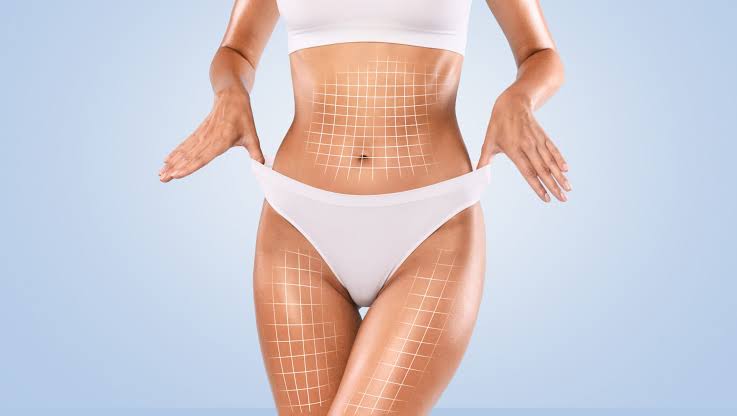
Body Contouring Treatment In Nagpur
What Is Body Contouring? | Body Contouring Treatment In Nagpur
Body Contouring Treatment In Nagpur for Body Shape
People may consider body contouring when they notice localized concerns around areas such as the abdomen, waist, thighs, arms, back, or other selected regions. Moreover, these concerns can sometimes remain even after maintaining a healthy lifestyle. A professional assessment can determine whether the concern involves localized fat, skin laxity, or another factor.
Your treatment plan can depend on your body composition, skin elasticity, medical history, and personal goals. In addition, different technologies and techniques work in different ways, so one procedure may not suit every person. As a result, a consultation allows the professional to discuss suitable options instead of recommending the same treatment for everyone.
Who Can Consider Body Contouring?
Body contouring may suit adults who have specific concerns about body shape or localized areas that do not respond as expected to lifestyle measures. However, suitability depends on individual health, treatment goals, skin condition, and the selected procedure.
People may consider body contouring for:
- Localized fat concerns
- Mild skin laxity
- Abdominal contour concerns
- Waist definition
- Thigh contouring
- Arm contouring
- Back or flank areas
- Post-weight-loss body changes
- Body-shape concerns after pregnancy
- Improving overall body proportions
Your individual assessment remains important before choosing any procedure. Therefore, a qualified professional can help determine whether body contouring fits your expectations and health requirements.
Body Contouring for Abdomen
The abdomen commonly becomes a concern when people notice localized fat or changes in skin firmness. However, abdominal appearance can also depend on muscle tone, skin elasticity, previous weight changes, pregnancy, and overall body composition.
A consultation can help identify the main factor contributing to your abdominal contour. Moreover, the professional can explain whether a non-surgical approach or another option may suit your needs. As a result, you can choose a treatment based on the actual concern rather than simply selecting a procedure because it appears popular online.
Non-Surgical Body Contouring
Non-surgical body contouring uses techniques that aim to modify selected areas without traditional surgery. Moreover, different technologies may use approaches such as controlled cooling, radiofrequency, ultrasound, or other energy-based methods depending on the device and treatment goal.
Each technology has different indications, limitations, and potential side effects. In addition, not every device works for every body type or concern. Therefore, you should choose treatment based on professional assessment and the specific technology available rather than relying only on promotional claims.
What Happens During Body Contouring Treatment?
The process starts with a consultation and assessment of the area you want to treat. Moreover, the professional may review your medical history, previous procedures, medications, skin condition, weight changes, and treatment expectations.
During the procedure, the provider uses the selected technique according to the treatment plan. In addition, the experience can vary depending on the technology and body area. After treatment, you may receive specific instructions about skin care, physical activity, hydration, and follow-up. Therefore, following the recommended aftercare can support appropriate recovery.
Does Body Contouring Treatment Hurt?
The level of discomfort depends on the treatment method and individual sensitivity. However, many non-surgical techniques can cause sensations such as pressure, cooling, warmth, tingling, pulling, or temporary tenderness.
Your provider can explain what you may feel during the selected procedure. Moreover, some treatments may require specific comfort measures depending on the technology. Therefore, you should discuss previous sensitivity, concerns, or medical conditions before treatment so the provider can plan appropriately.
How Long Does Body Contouring Treatment Take?
Body Contouring Aftercare
Aftercare plays an important role in maintaining skin comfort and supporting the recovery process. Moreover, your instructions can vary depending on the technology, treatment area, and individual response.
You may receive advice about:
- Keeping the treated area clean
- Protecting the skin from excessive sun exposure
- Staying adequately hydrated
- Following activity restrictions when advised
- Avoiding unnecessary friction or pressure
- Using recommended skincare products
- Attending follow-up appointments
Following personalized instructions can reduce avoidable problems. Therefore, always prioritize the aftercare advice provided by your treating professional.