
Vitiligo Specialist In Nagpur
What Is Vitiligo? | Vitiligo Specialist In Nagpur
What Causes Vitiligo?
Vitiligo develops when melanocytes, which produce melanin, become damaged or stop functioning properly. However, researchers continue to study the exact reasons behind this process.
Moreover, immune-system activity, genetic factors, oxidative stress, and other influences may contribute to vitiligo. Therefore, you should not assume that one food, cosmetic product, or lifestyle habit directly causes the condition.
What Are the Common Symptoms of Vitiligo?
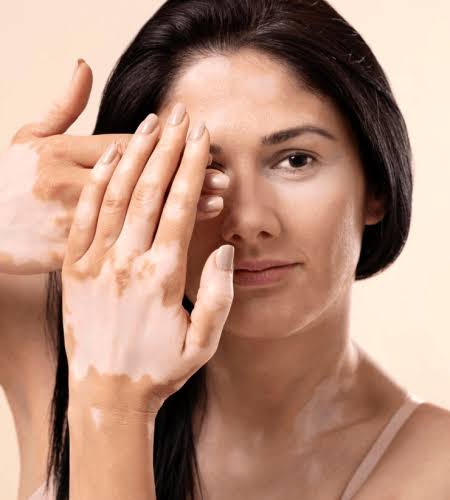
Vitiligo mainly causes areas of reduced or absent pigmentation. Moreover, these patches can appear on almost any part of the body.
Common signs may include:
- White or lighter patches on the skin
- Gradual enlargement of existing patches
- Pigment loss around the eyes or mouth
- Lighter hair within affected areas
- White patches on the hands or feet
- Pigment changes around body openings
- Similar patches on both sides of the body
Therefore, unexplained changes in skin colour require proper dermatological evaluation.
Why Should You Visit a Vitiligo Specialist?
A vitiligo specialist can assess pigmentation changes more carefully and differentiate vitiligo from other skin conditions. Moreover, some fungal infections, post-inflammatory changes, and pigment disorders can produce lighter patches that may look similar.
Therefore, professional diagnosis matters before starting treatment. In addition, a specialist can consider your age, medical history, affected areas, and disease activity while planning your care.
How Does a Vitiligo Specialist Diagnose the Condition?
A specialist usually begins with a detailed examination of your skin. Moreover, the doctor may ask when you noticed the patches, whether they have changed, and whether similar pigmentation concerns occur in your family.
In addition, the dermatologist may use a Wood’s lamp when necessary to examine pigment changes more closely. Therefore, a proper evaluation can help confirm whether vitiligo causes the white patches.
Who Needs a Vitiligo Specialist In Nagpur?
Vitiligo Treatment Options
A Vitiligo Specialist In Nagpur may consider different treatment approaches according to your condition. Moreover, treatment goals can include encouraging repigmentation, controlling active disease, or improving the appearance of affected areas.
Possible approaches may include:
- Topical medicines
- Narrowband UVB phototherapy
- Targeted light therapy
- Selected oral medicines
- Surgical procedures for suitable stable cases
- Cosmetic camouflage
Therefore, your specialist should choose treatment according to your individual skin condition rather than using the same approach for everyone.
How Does a Vitiligo Specialist Create a Treatment Plan?
What Should You Ask Your Vitiligo Specialist?
You can ask important questions during your consultation. Moreover, clear communication can help you understand your diagnosis and treatment options.
Consider asking:
- What type of vitiligo do I have?
- Is my condition currently active?
- Which treatment options may suit me?
- How long might treatment take?
- What results can I realistically expect?
- Can the patches develop again?
- What side effects should I know about?
- How often should I attend follow-up appointments?
Therefore, asking questions can help you participate more actively in your treatment decisions.