
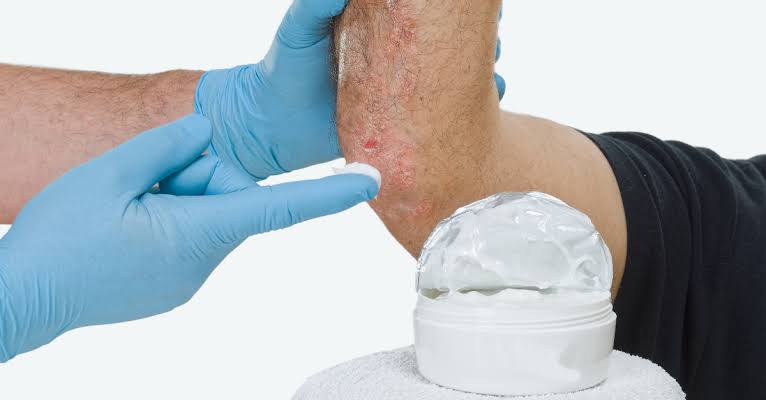
Psoriasis Treatment In Nagpur
What Is Psoriasis? | Psoriasis Treatment In Nagpur
Psoriasis is a chronic inflammatory skin condition that can cause red, thick, scaly, or itchy patches on different parts of the body. Moreover, the condition can affect areas such as the elbows, knees, scalp, lower back, hands, feet, and nails.
However, psoriasis does not affect everyone in the same way. Some people experience small patches, while others develop more widespread symptoms. Therefore, a dermatologist should assess your symptoms before suggesting treatment.
What Causes Psoriasis?
Psoriasis develops through changes in the immune system that speed up the growth of skin cells. However, several factors can trigger or worsen symptoms in people who already have psoriasis.
Moreover, stress, skin injuries, infections, certain medicines, smoking, alcohol, and environmental factors may contribute to flare-ups in some individuals. Therefore, identifying personal triggers can form an important part of long-term psoriasis management.
Common Symptoms of Psoriasis
Psoriasis can produce different symptoms depending on its type and severity. Moreover, symptoms can appear periodically and may become more noticeable during flare-ups.
Common symptoms include:
- Red or inflamed skin patches
- Dry or scaly skin
- Itching or irritation
- Thickened skin
- Cracked or uncomfortable skin
- Changes in the nails
- Scalp scaling
- Joint pain or stiffness in some people
Therefore, persistent or recurring symptoms deserve a professional dermatological assessment.
What Are the Different Types of Psoriasis?
Psoriasis can appear in several forms. Moreover, each type can affect the skin differently and may require a different management approach.
Common types include:
- Plaque psoriasis
- Guttate psoriasis
- Inverse psoriasis
- Pustular psoriasis
- Erythrodermic psoriasis
- Nail psoriasis
- Scalp psoriasis
Therefore, identifying the specific type can help a dermatologist select an appropriate treatment strategy.
Plaque Psoriasis
Nail Psoriasis
Psoriasis can also affect the fingernails and toenails. Moreover, nail psoriasis may cause pitting, discoloration, thickening, crumbling, or separation of the nail from the nail bed.
However, several other conditions can produce similar nail changes. Therefore, proper diagnosis can help distinguish psoriasis from fungal infections and other nail disorders.
When Should You Visit a Skin Specialist?
Preparing a few questions can make your appointment more useful.
You can ask:
- What could be causing my skin problem?
- Do I need any tests or further evaluation?
- What treatment options are available?
- How long might treatment take?
- What side effects should I know about?
- Do I need follow-up appointments?
- Are there lifestyle or skincare changes I should make?
- What should I avoid during treatment?
Clear communication helps you understand your treatment plan and make informed decisions.
Psoriasis Treatment Options
Dermatologists can use different treatment approaches depending on the severity, location, type, and extent of psoriasis. Moreover, treatment may include topical medicines, phototherapy, oral medicines, or injectable biologic therapies when appropriate.
Therefore, treatment should follow an individual assessment rather than a standard approach. Your dermatologist can explain the expected benefits, possible side effects, and monitoring requirements of each option.
Topical Treatment for Psoriasis
Doctors often consider topical treatment for localized psoriasis. Moreover, topical medicines can help reduce inflammation, scaling, itching, and excessive skin-cell growth.
Your dermatologist may recommend different topical options depending on the affected area and severity. Therefore, avoid using prescription creams without medical guidance, especially on sensitive areas such as the face or skin folds.