
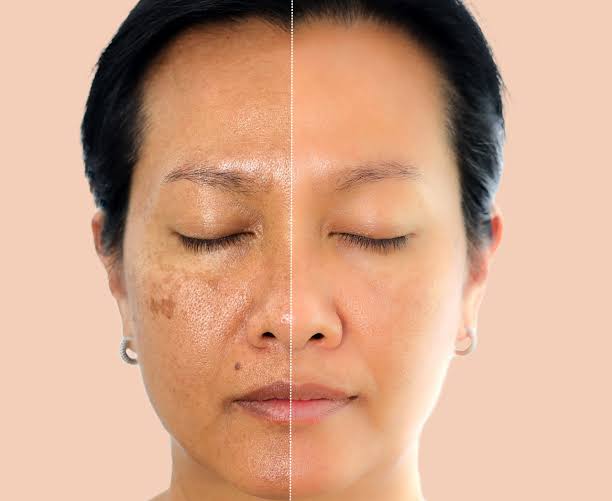
Pigment Laser Treatment for Clearer, More Even-Looking Skin
What Is Pigment Laser Treatment?
Pigment Laser treatment is a non-surgical skin procedure that uses controlled laser energy to target excess melanin in specific areas. The laser focuses on pigmented spots while the surrounding skin receives controlled exposure. Therefore, the treatment can help improve the appearance of selected pigmentation concerns without surgery.
What Skin Concerns Can Pigment Laser Treat?
Pigment Laser may help improve the appearance of several common pigmentation concerns, including:
- Dark spots and age spots
- Sun spots
- Uneven skin tone
- Freckles
- Certain types of melasma
- Post-inflammatory pigmentation
- Pigmentation caused by sun exposure
- Localized brown patches
However, different pigmentation conditions can respond differently to laser treatment. Therefore, a professional skin assessment should come before treatment, especially when pigmentation appears suddenly or changes over time.
How Does Pigment Laser Work?
Pigment Laser Treatment Procedure
Your Pigment Laser treatment usually starts with a detailed skin assessment. The specialist checks your pigmentation, skin tone, medical history, and previous treatments. Therefore, this evaluation helps create an appropriate treatment plan.
Next, the team cleans the treatment area and prepares your skin. During the procedure, the specialist directs the laser over the selected pigmented areas. Moreover, you may feel a mild snapping, warmth, or tingling sensation during treatment.
After the session, the specialist provides specific skin-care instructions. In addition, you should follow sun-protection advice carefully because sunlight can affect pigmentation and recovery.
Benefits of Pigment Laser Treatment
Pigment Laser can offer several potential benefits for suitable pigmentation concerns:
- Helps reduce the appearance of dark spots
- Supports a more even-looking skin tone
- Targets localized pigmentation
- Offers a non-surgical treatment approach
- Requires little or no downtime in many cases
- Allows treatment to focus on specific areas
- Can form part of a personalized pigmentation plan
However, results depend on the type and depth of pigmentation, skin type, lifestyle, and treatment response. Therefore, your specialist should discuss realistic expectations before starting treatment.
Who Can Consider Pigment Laser?
People with localized pigmentation, sun spots, freckles, or uneven skin tone may consider Pigment Laser treatment after a professional assessment. Moreover, the specialist can determine whether laser treatment matches your particular skin concern.
However, some pigmentation conditions need different treatments or a combination approach. In addition, people with active skin infections, certain skin conditions, or recent tanning may need to postpone treatment.
Pigment Laser for Dark Spots
Dark spots can develop after sun exposure, inflammation, acne, hormonal changes, or natural skin aging. Pigment Laser for dark spots focuses on areas with excess pigment and may help create a more uniform appearance.
Moreover, the treatment approach depends on the cause of the dark spots. Therefore, identifying the reason behind pigmentation can help your specialist select an appropriate treatment strategy.
Pigment Laser for Uneven Skin Tone
An uneven skin tone can result from sun exposure, pigmentation, acne marks, and other skin changes. Pigment Laser can target selected areas of excess pigment and may help improve the overall appearance of uneven skin.
In addition, your specialist may recommend daily sunscreen and other skin-care products alongside laser treatment. As a result, a complete skin-care routine can support the treatment process and help reduce further sun-related pigmentation.
Pigment Laser for Acne Marks
Acne can sometimes leave behind brown or dark marks even after the active acne clears. These marks can gradually fade, but some may remain for longer periods. Moreover, Pigment Laser may help improve the appearance of suitable post-acne pigmentation.
However, specialists should first distinguish pigmentation from acne scars because both concerns require different approaches. Therefore, a detailed skin examination can help determine the appropriate treatment.
How Many Pigment Laser Sessions Are Needed?
The number of Pigment Laser sessions varies from person to person. Your specialist considers the type of pigmentation, its depth, skin tone, treatment area, and response to previous sessions. Therefore, some people may need several sessions rather than one treatment.
Moreover, your skin needs adequate time between sessions to recover and show gradual changes. In addition, follow-up appointments allow your specialist to assess your response and adjust the treatment plan when necessary.
What Results Can You Expect?
Pigmentation usually does not disappear immediately after one session. The treated area may change gradually as the skin recovers and clears the targeted pigment. As a result, you may notice progressive improvement over time.
Moreover, results vary according to the underlying pigmentation and individual skin response. Therefore, your specialist should explain the expected timeline during your consultation rather than promise a fixed result.