
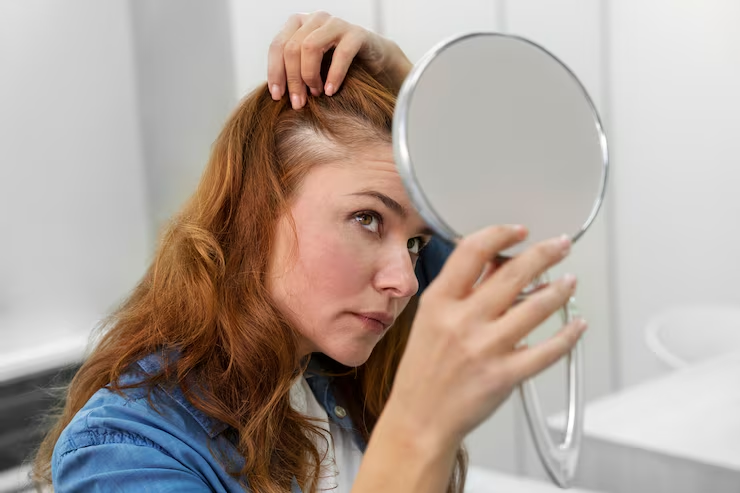
Hair Thinning Solution in Nagpur
Hair thinning can develop gradually, making it difficult to notice the change until your hair starts looking less dense. A Hair Thinning Solution in Nagpur can help you understand why your hair is becoming thinner and what treatment options may suit your condition. Moreover, hair thinning can occur because of genetics, hormonal changes, nutritional deficiencies, stress, illness, scalp conditions, or certain medicines. Therefore, identifying the underlying cause remains an important part of effective hair care. A dermatologist can examine your scalp, review your medical history, and recommend an appropriate treatment plan.
What Causes Hair Thinning? | Hair Thinning Solution In Nagpur
Hair thinning can have many possible causes, and the reason may differ from person to person. Genetics can contribute to gradual hair loss, while stress, illness, nutritional deficiencies, hormonal changes, and certain medications can also affect the hair growth cycle. However, temporary shedding and progressive hair thinning do not always require the same approach. Therefore, a dermatologist should evaluate your symptoms before recommending treatment. In addition, identifying the cause early may help you address the problem more effectively.
Hair Thinning Solution in Nagpur
People searching for a Hair Thinning Solution in Nagpur may notice a wider hair part, reduced hair density, increased shedding, or a more visible scalp. However, these changes can occur for different reasons. Therefore, treatment should begin with an individual assessment rather than a one-size-fits-all solution. Moreover, your dermatologist can consider your age, family history, scalp condition, lifestyle, nutrition, and previous treatments before suggesting suitable options.
Common Signs of Hair Thinning
Hair thinning may appear in several ways. You might notice more hair on your pillow or comb, a widening parting, reduced volume, a thinner ponytail, or increased scalp visibility. Moreover, some people notice thinning mainly around the crown or hairline. However, the pattern can vary between individuals. Therefore, changes in hair density should not automatically lead to self-diagnosis. A dermatologist can examine your scalp and determine whether further evaluation may help identify the cause.
Genetic Hair Thinning
A Genetic hair loss represents a common reason for gradual hair thinning in both men and women. Family history can increase the likelihood of developing this pattern, although the timing and severity can differ. Therefore, people with a family history of hair loss may benefit from early dermatological evaluation when they notice changes. Moreover, treatment options can vary depending on the pattern and stage of hair loss, so professional assessment can help guide the next steps.
Hair Thinning Due to Stress
Physical or emotional stress can sometimes affect the normal hair growth cycle. Some people may notice increased shedding after a stressful period, illness, major lifestyle change, or significant weight change. However, stress-related shedding can resemble other forms of hair loss. Therefore, a dermatologist can review the timing of your symptoms and look for other possible causes. In addition, improving sleep, nutrition, stress management, and general health may support your overall hair-care plan.
Nutritional Factors and Hair Thinning
Your body needs adequate nutrients to support normal hair growth. Poor nutrition or certain deficiencies may contribute to hair shedding or thinning in some people. However, taking supplements without identifying a deficiency may not address the actual cause. Therefore, your doctor may review your diet and medical history and recommend appropriate tests when necessary. Moreover, targeted nutritional correction can form part of a broader treatment plan when a deficiency contributes to the problem.
Hormonal Causes of Hair Thinning
Hormonal changes can influence hair growth and shedding. Conditions affecting thyroid function or other hormonal pathways may contribute to hair changes in some individuals. Women may also notice changes around pregnancy, after childbirth, or during other hormonal transitions. Therefore, persistent or unexplained hair thinning may require medical evaluation. In addition, treating an underlying hormonal condition can form an important part of managing related hair concerns.
Hair Thinning in Men
Men may develop gradual thinning around the hairline, temples, or crown. Genetic factors commonly contribute to this pattern, although other causes can also affect hair density. Therefore, men who notice progressive thinning should consider a dermatology consultation rather than relying only on hair products. Moreover, early assessment can help identify the pattern of hair loss and discuss suitable treatment options.
Hair Thinning in Women
Women can experience hair thinning for several reasons, including genetics, hormonal changes, nutritional deficiencies, stress, illness, and certain medical conditions. However, the pattern and cause can vary considerably. Therefore, women with persistent thinning should seek professional evaluation rather than assuming that stress or nutrition alone explains the problem. In addition, a dermatologist can review relevant health factors and recommend treatment based on the individual cause.
FAQ - Skin and Hair Clinic In Nagpur
1. What is the best solution for hair thinning?
The appropriate solution depends on the cause of hair thinning. A dermatologist can examine your scalp and recommend treatment based on your individual condition.
2. Can hair thinning be treated?
Yes. Several treatment approaches may help manage hair thinning, depending on its cause, pattern, and severity. Your dermatologist can recommend suitable options.
3. Does stress cause hair thinning?
Stress can contribute to increased hair shedding in some people. However, other causes can produce similar symptoms, so persistent hair loss deserves professional evaluation.
4. Can nutritional deficiencies cause hair thinning?
Certain nutritional deficiencies can contribute to hair concerns. Therefore, your doctor may assess your diet and recommend appropriate tests when a deficiency appears possible.
5. Can men get treatment for thinning hair?
Yes. Men can seek professional treatment for genetic or other forms of hair thinning. The appropriate approach depends on the pattern and cause of hair loss.