
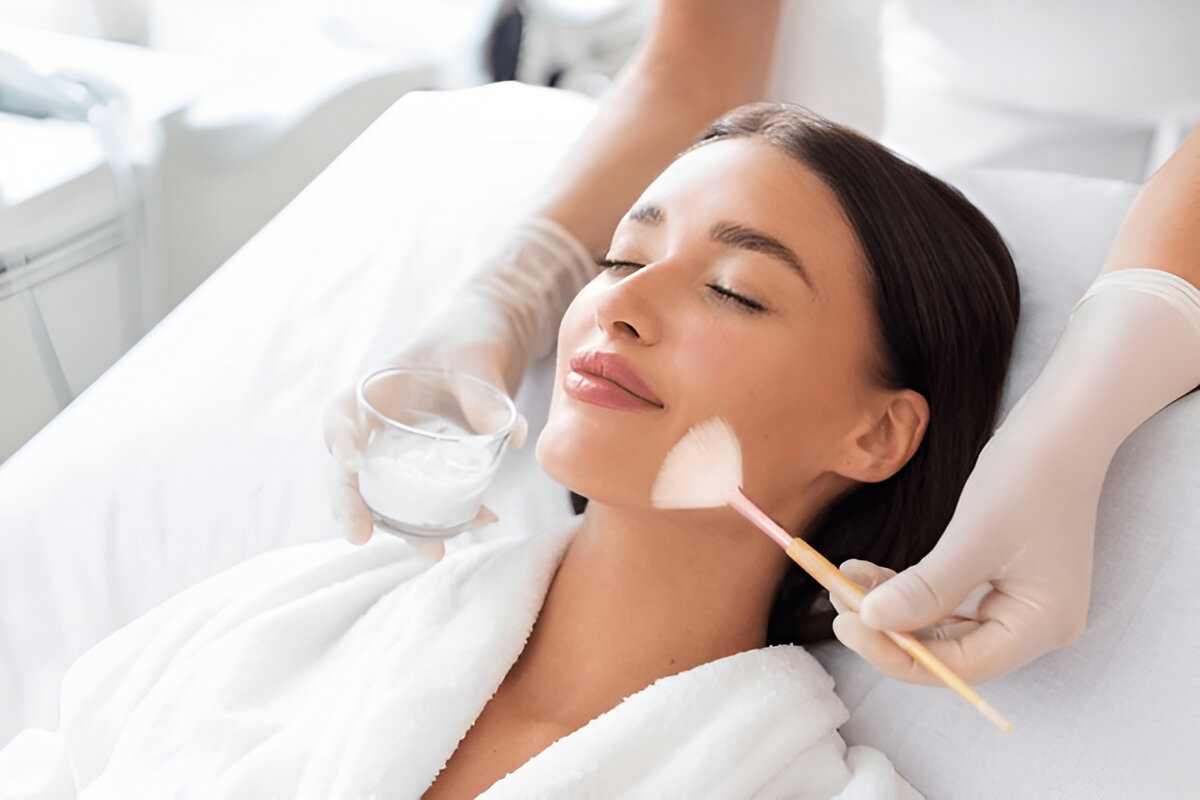
Chemical Peel Treatment at Indian Skin Hair Aesthetics Skin Clinic
What is a Chemical Peel?
A chemical peel is a dermatological procedure that improves skin texture and appearance by applying a specially formulated chemical solution to the skin. This solution gently exfoliates the outer damaged layers, which eventually peel off, allowing new and healthier skin to grow.
During the process, the chemical solution removes dead skin cells, unclogs pores, stimulates collagen production, and promotes skin renewal. As a result, patients notice brighter skin, improved tone, and smoother texture.
Moreover, chemical peels remain popular because they deliver visible improvements without requiring major surgery. In addition, dermatologists customize the strength and type of peel based on the patient’s skin type and concerns.
At Indian Skin Hair Aesthetics Skin Clinic, we use clinically approved peels that safely treat multiple skin concerns while maintaining skin health and safety.
Skin Concerns Treated with Chemical Peels
Chemical peels effectively treat a wide range of skin problems. Therefore, dermatologists frequently recommend this treatment for both cosmetic and medical skin concerns.
Some common conditions treated with chemical peels include:
Acne and acne scars
Hyperpigmentation
Melasma
Sun damage
Uneven skin tone
Fine lines and wrinkles
Dull and rough skin
Enlarged pores
Blackheads and whiteheads
Age spots
Furthermore, chemical peels help improve overall skin brightness and texture. As a result, many patients choose this treatment as part of their regular skincare routine.
Types of Chemical Peels
Dermatologists classify chemical peels into three main categories based on the depth of treatment. Each type targets specific skin concerns and delivers different levels of results.
1. Superficial Peels
Superficial peels gently exfoliate the outermost layer of the skin. These peels usually contain mild acids such as glycolic acid, lactic acid, or salicylic acid.
These peels help treat:
Mild acne
Dull skin
Minor pigmentation
Uneven texture
Moreover, superficial peels require minimal downtime. Therefore, patients can quickly resume normal activities after treatment.
2. Medium Peels
Medium peels penetrate deeper into the skin layers. Dermatologists commonly use trichloroacetic acid (TCA) for these treatments.
Medium peels treat:
Moderate pigmentation
Acne scars
Sun damage
Fine lines
In addition, these peels stimulate collagen production, which improves skin elasticity and firmness.
3. Deep Peels
Deep chemical peels provide intensive skin rejuvenation. Dermatologists perform these treatments to correct more severe skin concerns.
Deep peels treat:
Deep wrinkles
Severe sun damage
Prominent acne scars
Advanced pigmentation
However, dermatologists recommend deep peels only after careful evaluation because they require longer recovery time.
At Indian Skin Hair Aesthetics Skin Clinic, our dermatology experts select the most appropriate peel according to your skin condition and treatment goals.
How Chemical Peel Treatment Works
Chemical peel treatment follows a carefully planned process to ensure safety and effectiveness.
Step 1: Skin Evaluation
First, the dermatologist examines the patient’s skin type, texture, and existing concerns. After that, the doctor recommends the most suitable chemical peel.
Step 2: Skin Preparation
Next, the skin specialist cleanses the treatment area thoroughly. This step removes oil, dirt, and impurities from the skin surface.
Step 3: Application of Chemical Solution
Then, the dermatologist applies the chemical solution evenly across the treatment area. The solution gently exfoliates damaged skin layers.
Step 4: Controlled Peeling Process
After the solution penetrates the skin, it begins dissolving dead skin cells and stimulating skin renewal.
Step 5: Neutralization and Soothing Care
Finally, the dermatologist neutralizes the chemical solution and applies soothing products to calm the skin.
Benefits of Chemical Peel Treatment
Chemical peel therapy provides numerous benefits for skin health and appearance. Therefore, dermatologists frequently recommend this treatment for skin rejuvenation.
Some major benefits include:
1. Improves Skin Texture
Chemical peels remove dead skin cells and stimulate new cell growth. As a result, the skin becomes smoother and softer.
2. Reduces Pigmentation
Chemical peels lighten dark spots, sun damage, and uneven pigmentation. Consequently, patients achieve a more uniform skin tone.
3. Treats Acne and Acne Scars
The exfoliating action unclogs pores and reduces acne formation. Furthermore, repeated sessions gradually reduce acne scars.
4. Enhances Skin Glow
By removing dull skin layers, chemical peels reveal brighter and healthier skin.
5. Reduces Fine Lines
Additionally, chemical peels stimulate collagen production. Therefore, the treatment improves skin elasticity and reduces early signs of aging.
6. Minimizes Pores
Regular chemical peel treatments tighten pores and improve skin clarity.
Overall, patients notice significant improvement in skin health after a few sessions.
Hair loss can occur due to multiple reasons such as genetics, hormonal imbalance, stress, nutritional deficiencies, or medical conditions. However, regardless of the cause, PEP-GF treatment effectively targets hair follicles at a cellular level.
Who is an Ideal Candidate for Chemical Peels?
Chemical peel treatment suits many individuals who want healthier and clearer skin. However, dermatologists recommend a consultation before starting treatment.
Ideal candidates include individuals who have:
Acne or acne scars
Pigmentation or melasma
Dull skin
Uneven skin tone
Early signs of aging
Sun-damaged skin
Moreover, people who want overall skin rejuvenation may also benefit from chemical peel therapy.
Nevertheless, dermatologists evaluate skin sensitivity, medical history, and lifestyle before recommending the procedure.
Chemical Peel Aftercare
Proper aftercare plays an important role in achieving the best results. Therefore, dermatologists provide detailed post-treatment instructions.
After a chemical peel, patients should:
Apply sunscreen regularly
Avoid direct sun exposure
Use gentle skincare products
Keep the skin moisturized
Avoid picking or scratching peeling skin
Additionally, patients should follow the dermatologist’s skincare recommendations carefully.
With proper care, the skin heals faster and produces long-lasting results.